

Last Updated: November 19, 2026
Quick Summary
For a gemstone necklace, cut usually matters more than clarity, because the pendant is judged at arm's length in ordinary light, where light return shapes the first impression. Clarity still counts, but it should be judged at wearing distance and scaled to the stone's size, setting, and species.
- Tilt each stone at arm's length under window daylight to check for dark or see-through zones.
- View stones at roughly 45 to 60 cm, the distance a necklace is actually seen from.
- Expect more visible inclusions in emerald and tourmaline than in quartz, topaz or garnet.
- Compare both necklaces under the same window light, at the same distance, in the same sequence.
- Let banding and character decide close calls on cabochons and carved agate.
Table of Contents
- Why Clarity and Cut Decide How a Gemstone Necklace Looks
- How Cut Affects Brilliance, Sparkle and Light Return
- Gemstone Clarity Guide: Inclusions, Blemishes and Visibility in a Finished Necklace
- Cut Versus Clarity: Which Matters More for a Necklace
- List of Gemstone Cuts and Unusual Cuts for Cabochon and Faceted Pieces
- Side-by-Side Inspection Checklist for Comparing Two Necklaces
- Choosing Your Next Gemstone Necklace From the oakandquartz Collection
- Frequently Asked Questions
Why Clarity and Cut Decide How a Gemstone Necklace Looks
A gemstone necklace is judged in seconds, and two things drive that first impression: how clear the stone is and how well it is cut. Hand-carved stones are a special category, and the gap between a stunning piece and a flat one usually comes down to these two factors. This guide explains how each one works, where they conflict, and how to choose the right balance for a necklace you will wear.
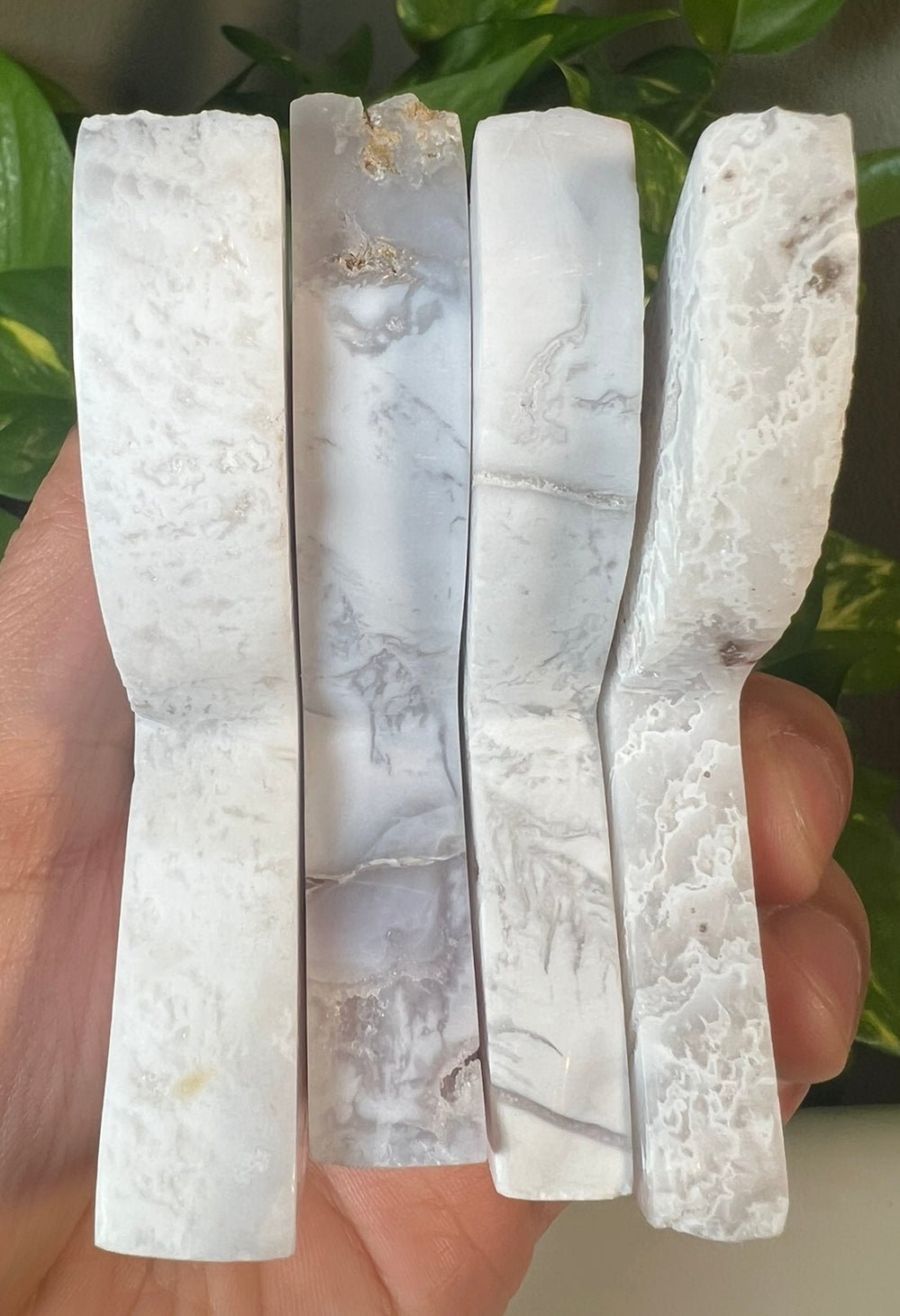
Clarity describes how many internal features a stone contains and how visible they are. Cut describes how precisely the stone's surfaces are shaped to handle light. Neither one is a simple grade, and both matter differently depending on the stone.
Many buyers assume a clearer stone is always better. That is not always true for a necklace. A cabochon or carved agate can show character through inclusions that a faceted stone would hide, so the right answer depends on the piece.
How Cut Affects Brilliance, Sparkle and Light Return
Cut controls how light enters a stone, bounces inside it, and comes back to your eye. A well-proportioned cut returns more light, which reads as brilliance and sparkle. A poor cut lets light leak out the bottom or sides, so the stone looks dull even when it is very clear.
For faceted stones, look at the proportions and symmetry of the facets. Evenly spaced facets that meet cleanly at the girdle tend to show better light return. Carved cabochons work differently. Their polish and dome shape decide the glow, not facets.
Watch out: a clear stone with a shallow or badly proportioned cut can look flat in a necklace. Tilt it under a light before you buy.
Gemstone Clarity Guide: Inclusions, Blemishes and Visibility in a Finished Necklace
Inclusions are internal features such as tiny fractures, crystals or growth lines. Blemishes sit on the surface, such as small pits or scratches. Both affect clarity, but they matter differently once a stone is set in a necklace.
Ask one practical question: can you see the feature with the naked eye when the necklace is worn at normal distance? Features that disappear at arm's length rarely affect how the piece looks day to day. Features that catch the eye in ordinary light can change the character of the stone, sometimes for better and sometimes for worse.
Colored gemstones are also graded differently from diamonds. Many natural stones carry visible inclusions as a sign of authenticity, so a little internal detail is not automatically a flaw. Judge the stone by how it looks as a whole.
Cut Versus Clarity: Which Matters More for a Necklace
For a necklace, cut usually matters more than clarity, but the reason is specific to how a necklace is worn, not a universal rule borrowed from diamond engagement rings. A pendant hangs at the sternum or collarbone, moves with your body, and is seen from roughly arm's length in ordinary indoor light. At that distance, your eye reads light return and face-up brightness before it reads internal features. A well-cut stone keeps returning light as it tilts; a poorly cut stone goes flat or dark even when it is internally clean.
Clarity still matters, but its importance scales with three necklace-specific variables:
- Stone size and viewing distance. A 6 mm pendant is judged from about 45-60 cm away, where tiny inclusions are invisible. A 20 mm statement stone is judged from the same distance but presents far more surface area, so a feature near the centre is more likely to be eye-visible.
- Setting coverage. A bezel or wire-wrapped setting covers the girdle and can hide edge inclusions; a prong or open-back setting leaves more of the stone visible from the side. A feature that would be hidden in one setting can become the first thing you notice in another.
- Colored-gemstone clarity standards. Diamond grading conventions do not transfer cleanly. Many colored stones, emerald, tourmaline, sapphire, ruby, are routinely accepted with eye-visible inclusions that would be downgraded in a diamond, because transparency and color saturation matter more to the stone's character. A loupe-clean colored gemstone is the exception, not the baseline.
A practical priority order for most necklace buyers:
- Cut performance first. Confirm the stone is bright across its whole face at arm's length and does not window (show a see-through dead zone) or extinguish (go dark) when tilted.
- Clarity second, judged at wearing distance. Accept the clarity level that looks clean in ordinary light at the distance you will actually wear it. Do not pay for loupe-clean clarity you will never see.
- Match clarity to stone species. Expect more visible inclusions in emerald and tourmaline; expect higher clarity in quartz, topaz, and garnet at similar prices.
- Let character win ties. In cabochons and carved stones, inclusions and banding are often the point. A perfectly clean cabochon with no pattern can be less interesting than a slightly included one with strong banding.
Here is how the two compare once necklace-specific factors are included:
| Factor | Cut Quality | Clarity Level |
|---|---|---|
| Main visual effect | Brilliance, light return, face-up brightness | Clean, even appearance at wearing distance |
| Biggest risk if poor | Stone looks dull, windowed, or dark when tilted | Visible feature near centre or under open setting |
| Priority for most necklaces | Higher | Moderate, scaled to size and setting |
| Effect on value | Strong and consistent across species | Strong, but varies widely by gemstone species |
| Necklace-specific check | Tilt at arm's length under daylight | View at wearing distance in the actual setting |
Watch out: a common mistake is to compare a well-cut, slightly included stone against a poorly cut, eye-clean stone and conclude clarity matters more. Tilt both under the same window light at arm's length first, the better-cut stone usually wins the first impression, which is the one a necklace is judged on.
List of Gemstone Cuts and Unusual Cuts for Cabochon and Faceted Pieces
Cuts fall into two broad families. Faceted cuts use flat, angled surfaces to return light. Cabochon cuts use a smooth, domed surface that shows colour and pattern.
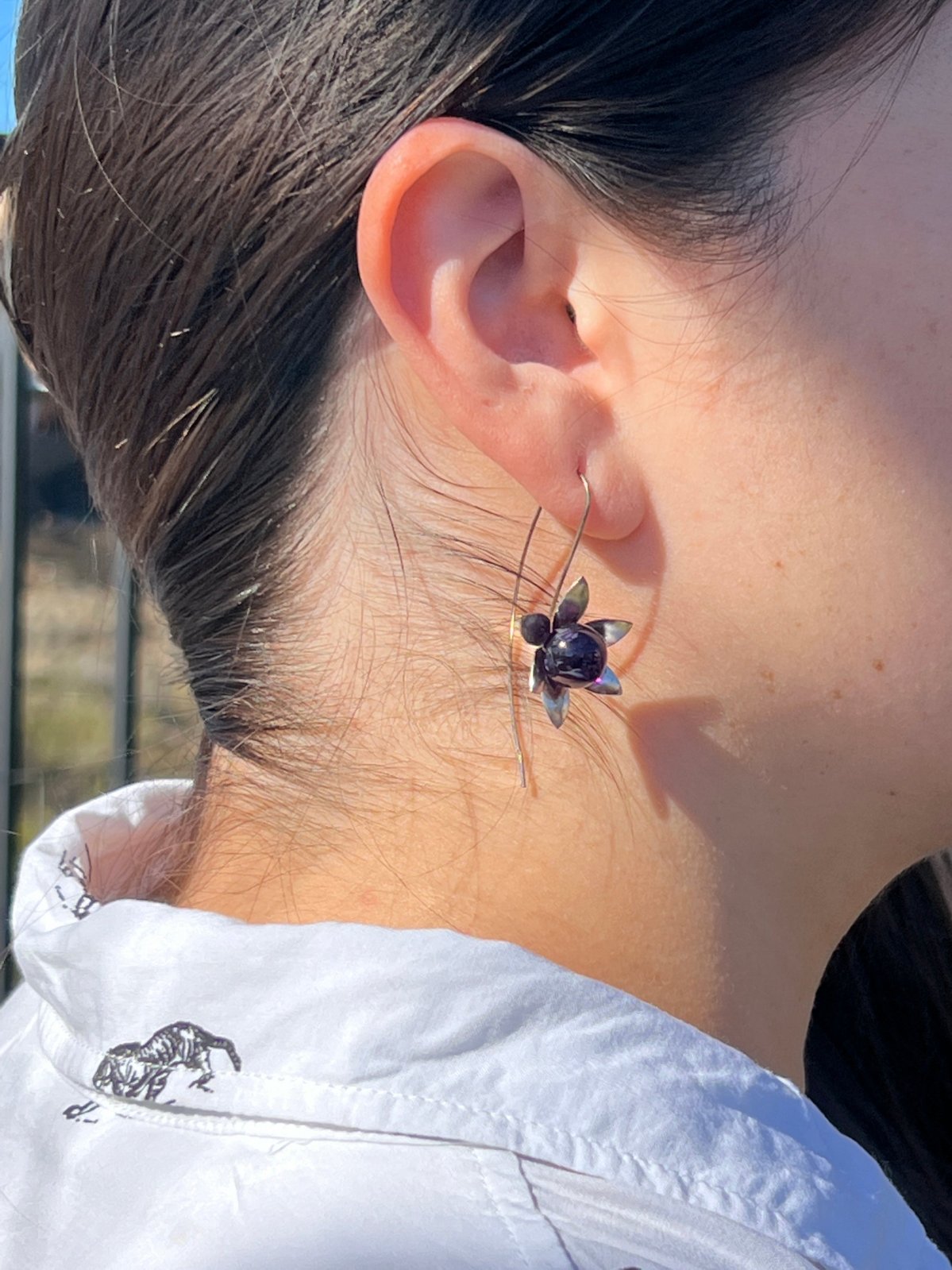
Common faceted cuts include round, oval, pear and emerald shapes. Common cabochon styles include oval, round and freeform domes. Cabochons suit stones with banding or patterns, such as agate, because the dome shows the whole design.
Unusual Gemstone Cuts Worth Knowing
Unusual cuts include carved shields, rectangles, and freeform shapes made by hand. Hand-carved pieces are shaped individually, so each stone can differ from the next. The trade-off is that unusual shapes do not always return light the same way, so check the surface and polish before buying.
Side-by-Side Inspection Checklist for Comparing Two Necklaces
Most necklace comparisons fail because the two stones are judged under different light, at different distances, or with different expectations. A repeatable method fixes that. Use the same light, the same distance, and the same sequence for both pieces, and write down what you see before moving to the next stone.
Set up the comparison. Use indirect daylight from a window, not direct sun and not a warm indoor bulb. Hold both necklaces at the same height against a neutral background, a plain white or grey cloth works better than skin or clothing, which tint the stone.
Step 1, First impression at wearing distance. Hold each necklace at arm's length (roughly 45-60 cm) and look at the stone as you would see it on a wearer. Note brightness, color evenness, and whether the stone looks lively or flat. This is the view that matters most.
Step 2, Tilt test for cut performance. Slowly tilt each stone through about 45 degrees under the window light.
Step 3, Surface and symmetry check. Look at the facet junctions or the dome polish. Evenly spaced facets that meet cleanly at the girdle, and a smooth, scratch-free polish, both signal better finishing. On carved stones, check that the carving is crisp rather than soft or rounded.
Step 4, Clarity at wearing distance, then close. First judge inclusions at arm's length, those are the ones that affect daily appearance. Then bring the stone to about 15-20 cm to check for features near the centre or under the setting.
Step 5, Setting and chain match. Confirm the setting style does not hide the stone's best feature or expose its weakest. A bezel can conceal a girdle inclusion; an open wire wrap cannot. Check that the chain gauge and finish suit the stone's size and polish.
Step 6, Delayed decision. Put both necklaces down for a few minutes, then look again without re-reading your notes. The stone you still remember is usually the one with the better cut and the more coherent character.
Use this checklist on both pieces in the same session, and record a simple score (strong / acceptable / weak) for each step. The comparison is only fair if the light, distance, and sequence are identical.
Watch out: comparing one stone in warm indoor light and the other in daylight will make the daylight stone look brighter and cleaner regardless of its actual cut and clarity, always move both to the same window before judging.
Choosing Your Next Gemstone Necklace From the oakandquartz Collection
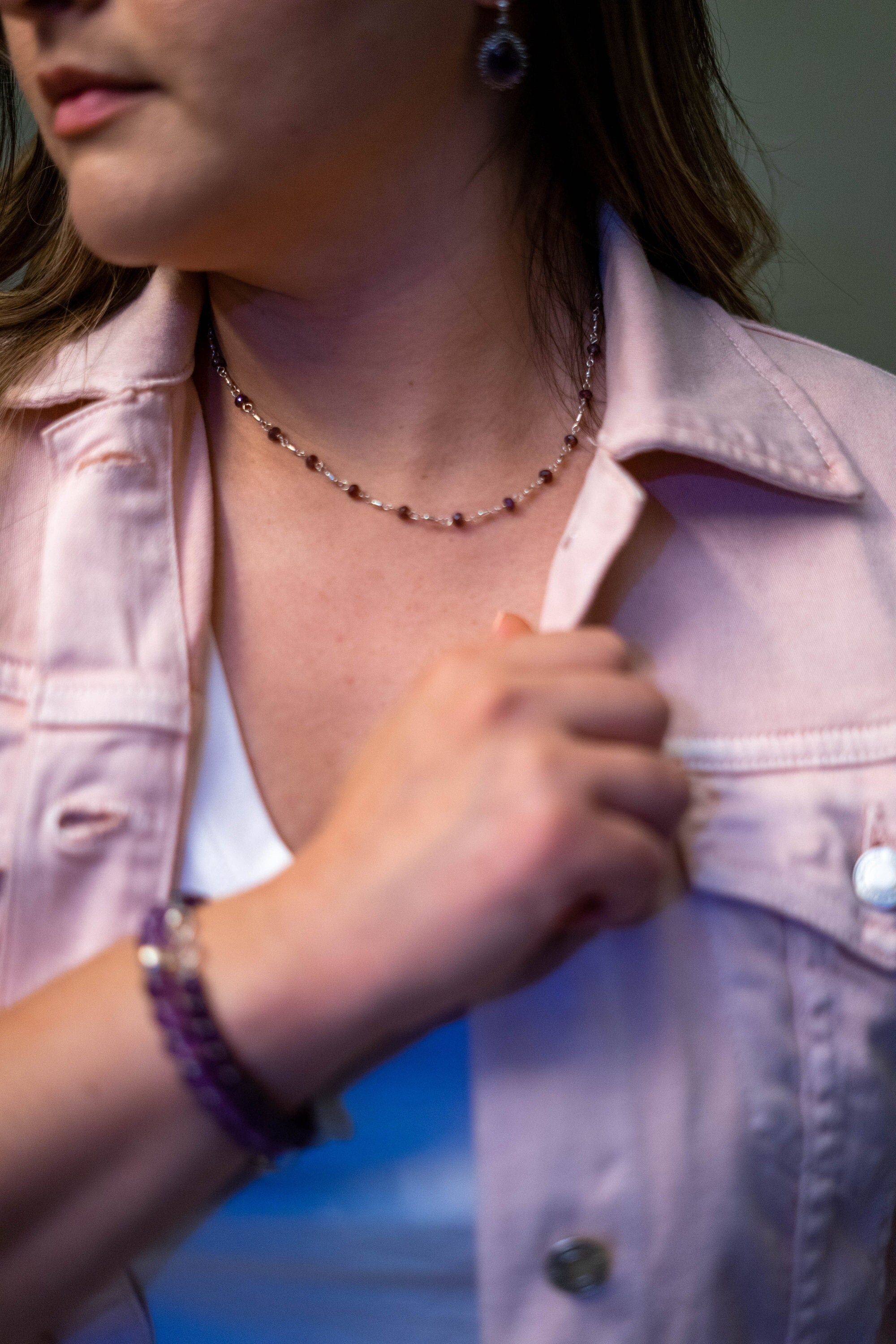
If you want a piece that shows strong cut and natural character, start with a few options from the oakandquartz collection. Each necklace is hand-carved and polished, and the listings describe the stones as natural with no dye or enhancement.
- Carnelian Shield Necklace ($55.00): a hand-carved carnelian shield with sterling silver chain. Visit the carnelian shield necklace to see the cut up close.
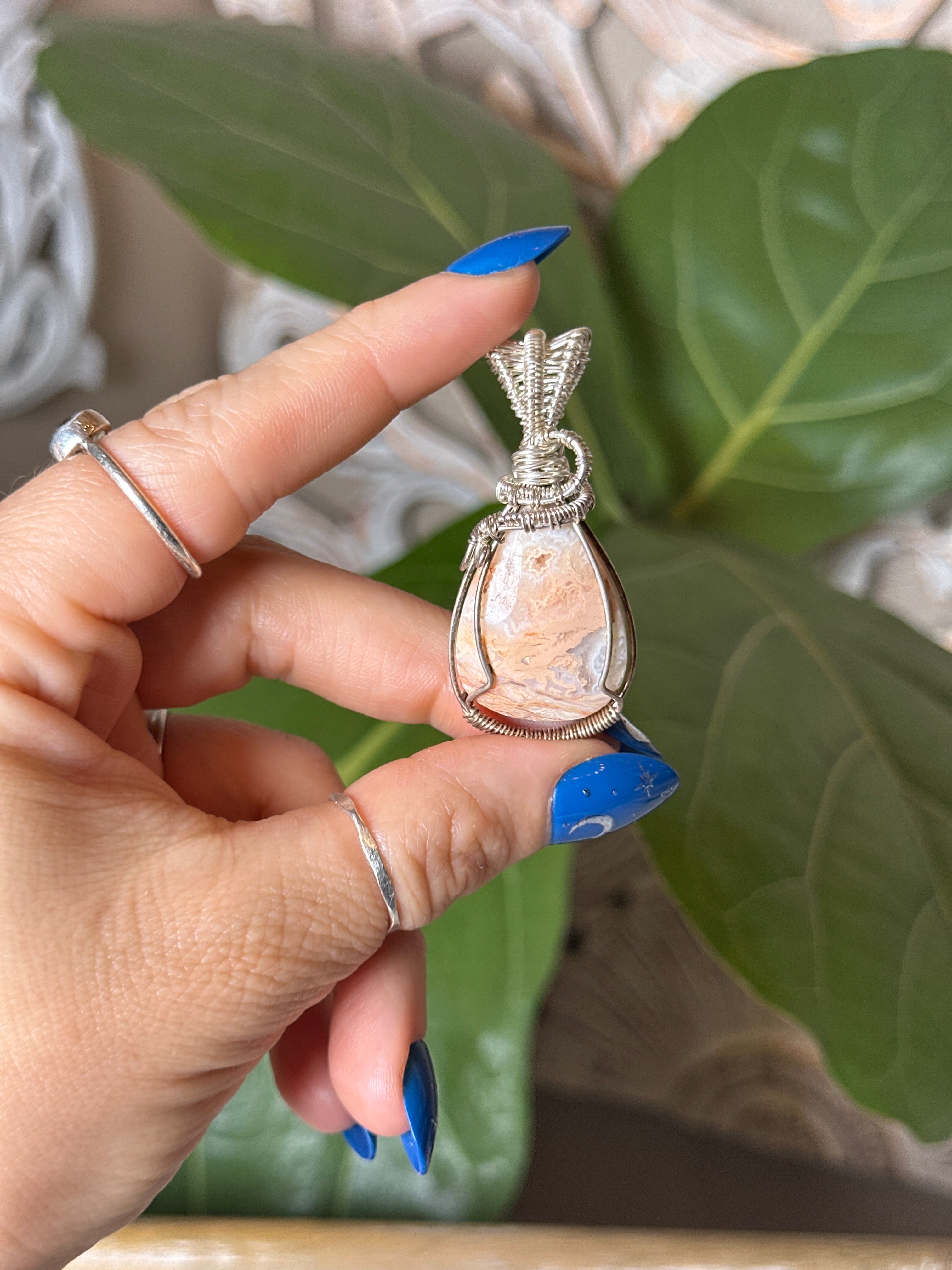
- Crazy Lace Agate Oval Wire Wrapped Necklace ($65.00): a hand-carved oval agate in sterling silver wire. The natural banding suits a cabochon-style dome, which makes it a good test of how cut shows character rather than clarity.
- Gemstone Choker ($45.00): a 16-inch gemstone necklace that can be taken in to a choker size, available in labradorite, carnelian, garnet and peridot.
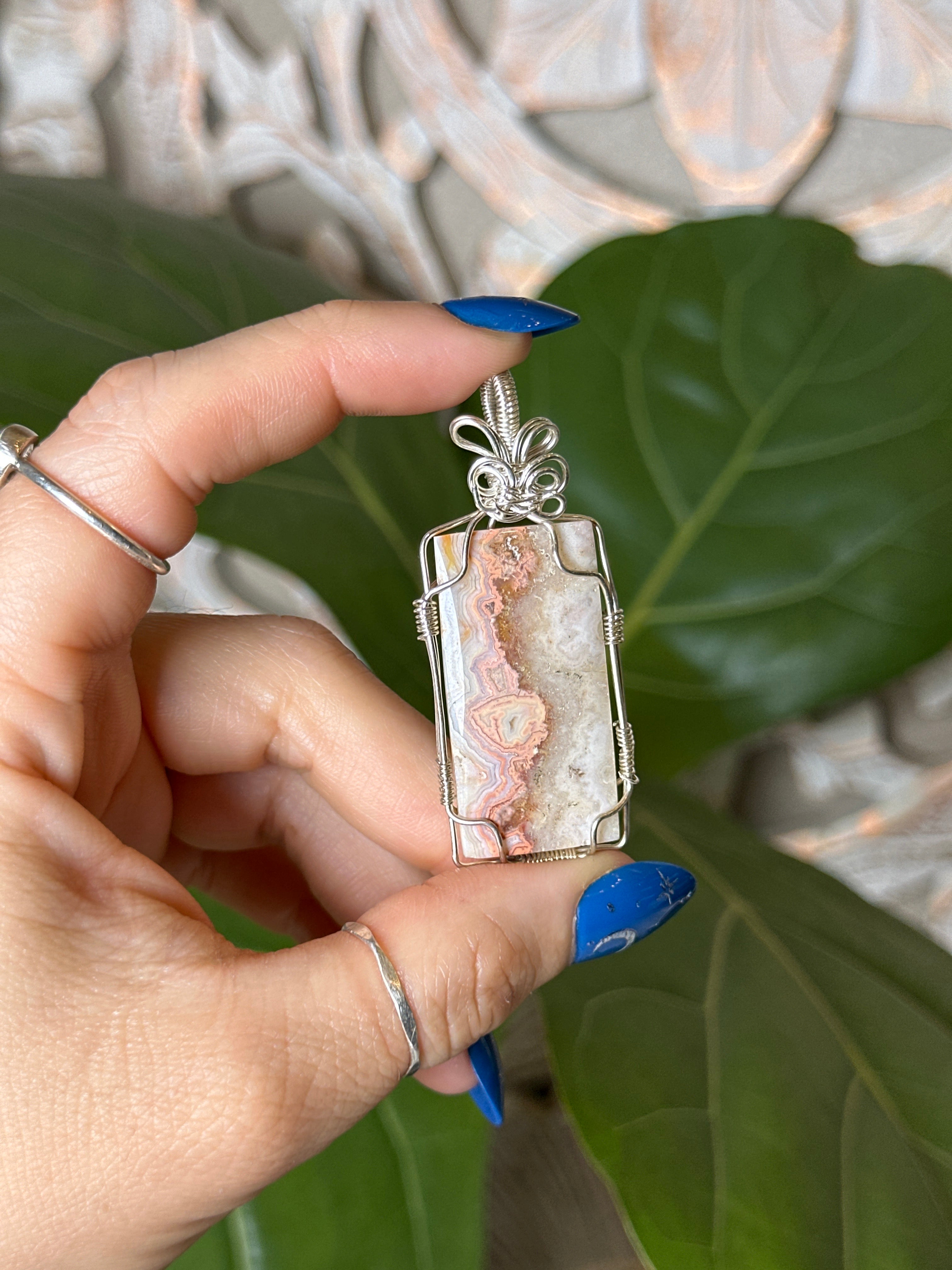
Ready to compare? Visit the Crazy Lace Agate Rectangular Wire Wrapped Necklace and apply the checklist above. Choose the stone whose cut and character you like best.
Frequently Asked Questions
Is cut or clarity more important in a gemstone necklace?
For a necklace, cut usually has the bigger effect on how the piece looks, because it controls brilliance and light return that you see from across the room. Clarity matters most when inclusions are visible to the naked eye in the finished piece. For cabochon and hand-carved stones, the polish and shape of the carving carry much of the visual impact, so check those first and then confirm that any inclusions sit where they won't distract when worn.
Do inclusions make a gemstone necklace less valuable?
Inclusions can lower value, but the effect depends on the stone type, how large and how visible they are, and whether they affect durability. Natural inclusions are normal in many gemstones and are not automatically a flaw. Look at each necklace in person or in detailed photos, decide whether the inclusions are visible when worn, and compare pieces of the same stone type rather than judging across different materials.
Which gemstone cuts work best for cabochon necklaces?
Cabochon cuts, which are smooth and domed rather than faceted, suit stones with strong patterns or chatoyancy, such as agates and jaspers. A well-shaped cabochon with an even dome and smooth polish reflects light softly and shows the stone's colour and pattern. Faceted cuts suit stones chosen for sparkle. Pick the cut that displays the stone's natural character best rather than forcing a sparkle the material cannot produce.
How can I compare the cut quality of two gemstones?
Place both necklaces side by side under the same light and turn them slowly. Compare brilliance, the evenness of the polish, the symmetry of the shape and whether the surface looks clean or cloudy. For faceted stones, check whether light returns evenly across the face or leaves dark areas. Judge both pieces against the same criteria, and note any differences you can see without magnification.
