

Last Updated: November 17, 2026
Quick Summary
To cleanse crystal jewelry, clear stagnant energy first with a safe method for the stone, such as cool running water for hard stones or smoke, sound, and selenite for water-sensitive pieces. Then charge the piece with moonlight, sunlight, sound, or intention, and cleanse often-worn pieces weekly or biweekly.
- Cleanse first, then charge, because charging an uncleansed stone is like pouring fresh water into a dirty glass.
- Hold jewelry in smoke for 20 to 30 seconds, and keep it out of the flame.
- Limit sun charging to about 30 minutes since amethyst, rose quartz, and citrine can fade.
- Cleanse daily-worn pieces weekly or biweekly and charge them monthly on the full moon.
- Skip water entirely for porous stones like turquoise, opal, malachite, selenite, pearls, and amber.
Table of Contents
- Why Cleanse and Charge Crystal Jewelry at All?
- Cleansing vs Charging: What Is the Difference?
- How to Cleanse Crystal Jewelry with Water (and Which Stones to Keep Dry)
- How to Cleanse Crystals Without Water: Smoke, Sound and Selenite
- How to Charge Crystals: Moonlight, Sunlight and Intention
- How Often Should You Cleanse Crystals and Jewelry?
- Stone-by-Stone Safety and Practical Jewelry Cleaning
- Find a Piece Worth Caring For at Oak & Quartz
- Frequently Asked Questions
Why Cleanse and Charge Crystal Jewelry at All?
Wearing crystal jewelry every day means it picks up more than compliments. Many collectors believe a piece absorbs stale energy from daily wear, stress, and crowded rooms.
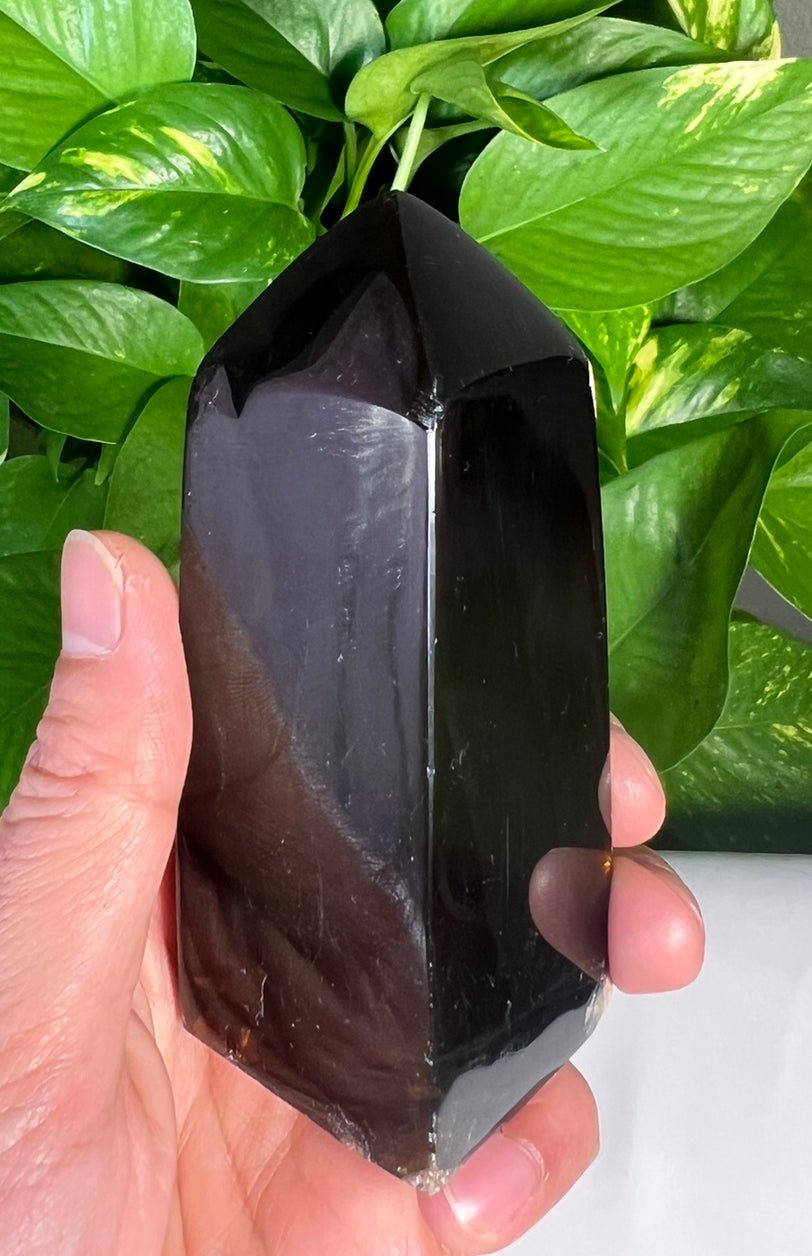
Think of it this way: cleansing clears the slate, and charging fills it back up.
Some people cleanse purely for the ritual. Others do it because it makes wearing a piece feel intentional again. Both reasons are valid.
If you have ever wondered whether a stone actually "loses" energy over time, our guide on whether crystal jewelry loses its energy gives a grounded, realistic take on the question.
A few signs collectors commonly notice before a reset:
- The piece feels dull or heavy to wear
- You have worn it through a stressful stretch
- It sat unworn in a drawer for months
- You want a fresh start with a new intention
Cleansing vs Charging: What Is the Difference?
Cleansing removes stagnant energy. Charging adds fresh energy back in.
Cleansing is the reset. You clear what the stone has absorbed through daily wear.
Charging is the refill. You direct new energy into the piece, often with moonlight, sunlight, or a stated intention.
Most collectors do them back to back: cleanse first, then charge. Doing it in that order matters.
You may also hear the word "programming." Programming means setting a specific intention for a piece, such as calm, focus, or confidence.
How to Cleanse Crystal Jewelry with Water (and Which Stones to Keep Dry)
Water is the fastest cleansing method, but it is not safe for every stone. Soft, porous, or water-sensitive gems can absorb moisture, lose polish, or damage the metal settings around them.
Here is how to cleanse crystal jewelry with water safely:
- Check the stone first. Hard stones like quartz and garnet handle water well. Porous stones should stay dry.
- Use cool running water. Hold the piece under a gentle stream for about a minute.
- Set an intention. As the water runs, picture the stale energy washing away.
- Dry it fully. Pat the piece with a soft cloth and let it air dry before storing.
Watch out: never soak a piece with sterling silver findings in water for long periods. Moisture speeds up tarnish, and repeated soaking can loosen glue or stretch cords over time.
For a deeper dive, see our guide on how to cleanse crystal jewelry with water stone by stone.
How to Cleanse Crystals Without Water: Smoke, Sound and Selenite
Some pieces should never touch water. For those, dry methods work just as well.
Smoke cleansing. Light sage, palmetto, or incense. Pass the piece through the smoke a few times.
Sound cleansing. Ring a singing bowl, chime, or bell beside the piece. Some collectors use a mantra or their own voice.
Selenite. Rest jewelry on a selenite slab or beside a selenite tower overnight.
A common mistake is holding a stone too close to a flame. Keep the piece in the smoke, never in the fire.
How to Charge Crystals: Moonlight, Sunlight and Intention
Charging is simple, but the method matters for the stone and the setting. Instead of trying every method, choose one based on three questions: what the stone can tolerate, what the setting can tolerate, and how much time you have. This decision-first approach is what most guides skip.
A simple decision tree for choosing a charging method
- Is the stone porous, water-sensitive, or glued? If yes, skip water and salt entirely and use moonlight, sound, or selenite.
- Is the stone color-sensitive (amethyst, rose quartz, citrine)? If yes, avoid long sunlight and choose moonlight or sound.
- Is the setting plated, glued, or on a stretch cord? If yes, avoid heat and soaking; moonlight and sound are safest.
- How much time do you have? Overnight moonlight is the lowest-effort option. Sound takes minutes. Sunlight is fastest but riskiest for color.
- Do you need a smoke-free or scent-free option? Use sound, selenite, or moonlight.
Moonlight
Moonlight is a gentle option for many stones. Place the piece on a windowsill during a full moon and leave it overnight. A common pattern is to charge on the full moon and cleanse on the new moon, but any overnight session works. If you live in an apartment without a safe windowsill, a clean indoor shelf near a window is fine.
Sunlight
Sunlight charges quickly, but it can fade certain gems. Amethyst, rose quartz, and citrine can lose color after long sun exposure. Limit sun charging to 30 minutes or so, and never leave a piece in a hot car or direct afternoon sun. For color-sensitive stones, choose moonlight instead.
Sound
Sound charging uses a singing bowl, chime, bell, or your own voice. Ring the bowl beside the piece for a minute or two and set your intention. Sound is a gentle, smoke-free option.
Selenite
Rest jewelry on a selenite slab or beside a selenite tower overnight. Keep selenite dry, since it is water-soluble.
Intention
Intention works alongside any method. Hold the piece, breathe, and state what you want it to support.
Watch out: never place jewelry directly on a hot surface or near an open flame to "charge" it. Heat can crack stones, loosen glue, and damage plating.
Curious which stones suit this practice? Our guide to the best crystals for personal intention setting breaks down the options.
How Often Should You Cleanse Crystals and Jewelry?
How often should you cleanse crystals? A good rule is once a month for pieces you wear often, and after any intense stretch.
Here is a simple schedule to follow:
| Wear Pattern | Cleanse | Charge |
|---|---|---|
| Worn daily | Weekly or biweekly | Monthly, on the full moon |
| Worn a few times a week | Monthly | Monthly |
| Special occasion pieces | Before and after each wear | Before wearing |
| Stored collection | Every 2-3 months | When you bring it back out |
Cleanse sooner if a piece has been through a stressful event, a hospital visit, or a difficult conversation. Many collectors also cleanse new pieces before the first wear.
Stone-by-Stone Safety and Practical Jewelry Cleaning
Energetic cleansing is not the same as physical cleaning. One resets the stone's energy. The other removes oils, dust, and grime from the surface. Most top-ranking guides blur the two, which is how people end up soaking a porous stone or scrubbing a plated setting. This section keeps them separate and gives you a quick-reference safety chart you can check before any cleanse.
Physical cleaning vs. energetic cleansing
Physical cleaning is about the jewelry itself: skin oils, lotion residue, dust in prongs, tarnish on silver, and dullness on the surface. Energetic cleansing is the spiritual reset described earlier in this guide. You can do one without the other, but a piece that is physically dirty will not feel fresh no matter how long it sits in moonlight. A common pattern is to clean physically first, then cleanse energetically, then charge.
For everyday physical cleaning:
- Wipe stones with a soft, dry microfiber cloth after each wear.
- Use a barely damp cloth on hard stones only, then dry immediately.
- Polish sterling silver with a jewelry cloth; avoid dipping silver cleaner on pieces with porous stones.
- Keep stretch cords away from heat, harsh soaps, and prolonged soaking.
- Store pieces flat or in a soft pouch so stones do not knock against each other.
Quick-reference safety chart
Use this chart before choosing any cleansing method. "Dry" means no water, salt, or liquid cleaners. "Gentle water" means a brief rinse with immediate drying. "Avoid sun" means limit direct sunlight to short sessions because of color fade risk.
| Stone or material | Water | Salt | Sunlight | Heat | Notes |
|---|---|---|---|---|---|
| Quartz (clear, rose, smoky) | Gentle water OK | Avoid | Avoid long sun for rose | Avoid sudden heat | Rose quartz can fade in prolonged sun |
| Amethyst | Gentle water OK | Avoid | Avoid long sun | Avoid | Color can fade with sun exposure |
| Citrine | Gentle water OK | Avoid | Avoid long sun | Avoid | Heat-treated citrine can fade |
| Garnet | Gentle water OK | Avoid | OK short | Avoid | Hard stone, but check settings |
| Labradorite | Gentle water OK | Avoid | OK short | Avoid | Wipe dry to keep sheen |
| Moonstone | Gentle water OK | Avoid | OK short | Avoid | Avoid harsh cleaners |
| Turquoise | Dry only | Avoid | OK short | Avoid | Porous; can absorb oils and water |
| Opal | Dry only | Avoid | Avoid | Avoid | Water-sensitive; can crack or cloud |
| Malachite | Dry only | Avoid | OK short | Avoid | Porous; avoid water and acids |
| Selenite | Dry only | Avoid | OK short | Avoid | Water-soluble; never rinse |
| Pearls | Dry only | Avoid | Avoid | Avoid | Wipe with dry cloth only |
| Amber | Dry only | Avoid | Avoid | Avoid | Avoid water, heat, and chemicals |
| Sterling silver findings | Brief contact only | Avoid | OK | Avoid | Moisture speeds tarnish; dry fully |
| Gold plating | Brief contact only | Avoid | OK | Avoid | Avoid abrasion and soaking |
| Stretch cord | Avoid soaking | Avoid | OK | Avoid | Heat and soap weaken elastic |
| Glue-set stones | Avoid soaking | Avoid | OK | Avoid | Water can loosen adhesive |
Metals, plating, cords, and adhesives
Most jewelry damage happens to the parts around the stone, not the stone itself. Sterling silver tarnishes faster when wet, so dry it fully after any brief rinse. Gold plating can wear away with abrasion and repeated soaking, so treat plated pieces as dry-clean-only. Stretch cords weaken with heat, harsh soaps, and long soaks; never leave a beaded bracelet in water.
Watch out: avoid household cleaners and harsh chemicals on porous stones, pearls, amber, or glued settings.
Troubleshooting and damage prevention
If a piece gets wet unexpectedly, pat it dry immediately and let it air dry fully before storing. If a stone changes appearance, such as clouding or dulling, stop using water and switch to dry methods. If a setting loosens or a stone feels wobbly, stop wearing it and have it checked by a jeweler before cleansing again.
For stone-specific steps, see our guide on Druzy Pink Crazy Lace stone care. For a broader walkthrough, our complete gemstone necklace care guide covers settings, cords, and storage.
Find a Piece Worth Caring For at Oak & Quartz
A piece you love is a piece you will care for. At Oak & Quartz, we curate artisan gemstone jewelry built to be worn and treasured.
Our collection includes rare specimens like Iris Agate, Maligano Jasper, and Druzy Pink Crazy Lace.
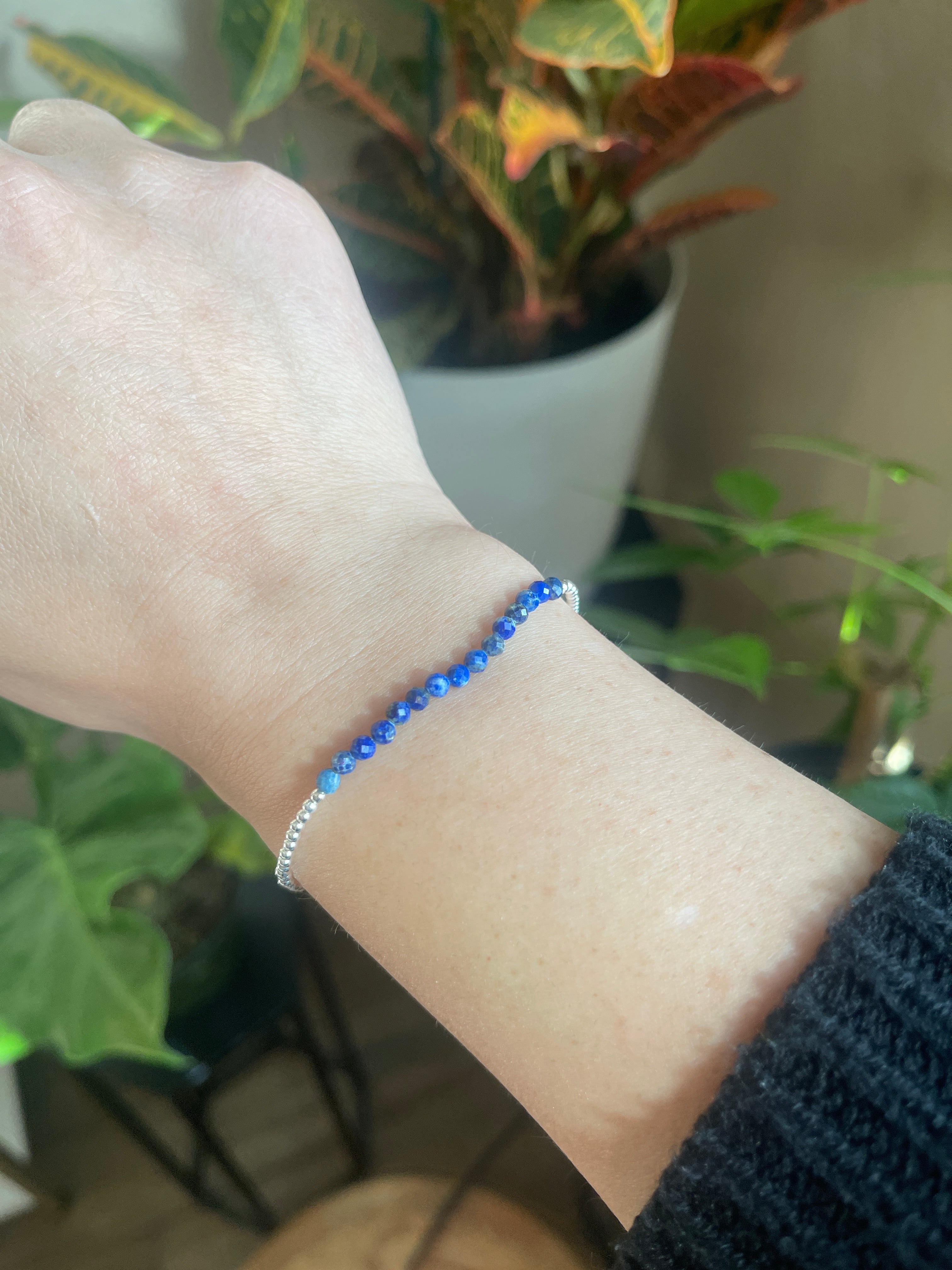
If you are building a collection to care for, start with our Stone & Silver Beaded Stretch Bracelet.
Our customers have left 63 reviews.
Caring for a crystal collection takes a little rhythm, not perfection.
Frequently Asked Questions
Can you cleanse crystal jewelry with water?
Yes, for stones that tolerate it. Hold the piece under cool running water for about a minute while setting a clear intention, then pat dry with a soft cloth. Skip water for porous or water-sensitive stones, and for pieces with glued settings or strung elastic. When in doubt, use a dry method like smoke or sound instead.
How do you cleanse crystals at home without water?
Smoke, sound and selenite cover most pieces. Light sage or incense and pass the jewelry through the smoke for 30 to 60 seconds. Alternatively, ring a singing bowl or chime beside the piece, or rest it on a selenite slab overnight. All three are dry methods.
How often should you cleanse and charge crystal jewelry?
Cleanse a piece when it feels heavy or dull, after a stressful day, or before programming a new intention. For jewelry you wear daily, a monthly cleanse plus a monthly charge is a practical rhythm. Pieces worn once in a while can wait a season. Full moons are a popular charging window, but any clear night works if you can leave the piece out for several hours.
What should you not do to cleanse your crystals?
Avoid salt water soaks for porous stones and sterling silver, and never leave elastic bracelets submerged. Avoid long periods in direct hot sunlight. Skip harsh household cleaners on any gemstone, and do not tumble or scrub delicate settings. When a method feels risky for the stone, choose a dry alternative instead.
